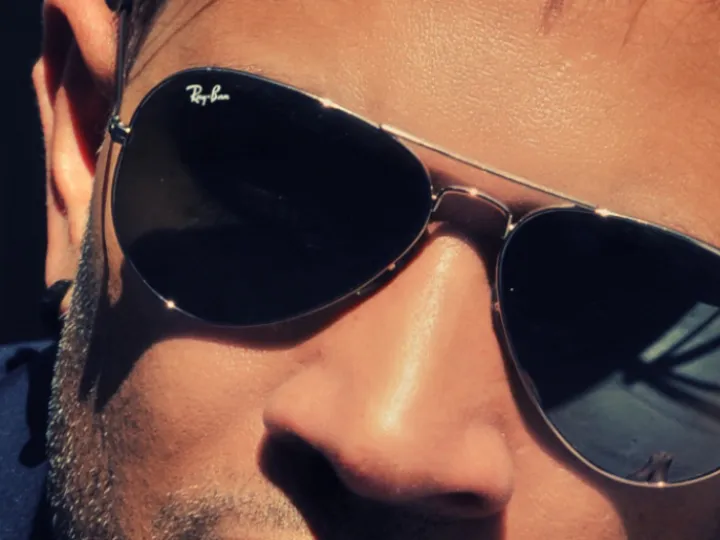
Replacing damaged Ray-Ban lenses
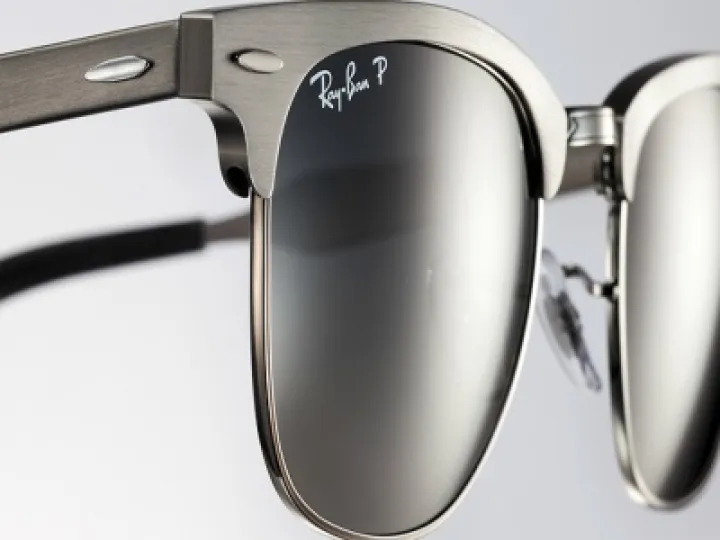
How to replace Ray-Ban lenses
A scratched lens usually starts as a faint mark you notice against a bright sky, then turns into a distracting smear whenever you look toward the sun. We see this often in our repair workshops, where customers bring in their favourite Ray-Bans and ask if we can save them. Most of the time, the answer is yes. Replacing damaged Ray-Ban lenses is usually much cheaper and more sustainable than buying a new pair.
We’ll consider everything you need to know before deciding what to do. We’ll explain why Ray-Ban lenses often get damaged, and how even a small scratch can affect your vision. You’ll learn how to find the model, colour, and size codes on your sunglasses, which are key to a smooth lens replacement. We’ll also compare DIY fixes with professional repairs, break down the real costs, and help you choose between standard, polarised, and prescription lenses. Finally, we’ll show you what repairs last, so you don’t end up with the same problem again soon.
We’ve repaired thousands of Ray-Bans over the years and have seen the same issues come up again and again. Whether you’re thinking about fixing them yourself or sending them to a professional, we'll give you the clearest, most honest advice.
Why lenses become damaged and cloudy
Lens damage usually doesn’t happen all at once. It builds up slowly from everyday habits that seem harmless. Sand and dust are the main causes we see. Quartz, which is in regular sand and grit, is much harder than the plastic or polycarbonate in most lenses. So, wiping a dusty lens with even a soft cloth can scratch it like fine sandpaper. Many clients say they clean their sunglasses carefully, but when we look closely, dry wiping is almost always the reason for the damage.
Cloudy lenses are a different issue. This usually happens because of a build-up of skin oils, hard water, or tiny scratches that scatter light. Chemical damage is also common and frustrating, even though you can avoid it. Household cleaners, perfume, sun cream, and even some lens wipes have solvents that can damage or cloud the coating in seconds.
Many people think a scratch ruins UV protection, but that’s not true. Most modern polycarbonate lenses, including Ray-Bans, have UV filtering built into the material, not just on the surface. So, a scratch won’t let harmful rays through. However, a scratch across your line of sight can scatter light and cause glare, halos, or haze, leading to eye strain and headaches after a day of wearing them. In our experience, this visual distortion is the main reason to replace a lens.
Finding your Ray-Ban codes
Every real Ray-Ban has three pieces of information stamped inside one temple arm, and you need all three to order the right replacement lens. First is the style code, usually four digits after the letters RB. For example, RB3025 is the Aviator, RB2140 is the original Wayfarer, and RB3016 is the Clubmaster. These are the most common models.
Next is the colour code, which is where most mistakes happen. It might be a simple three-digit number, like 001 for gold or a mix of numbers and letters, like W3234 or 001/33, which indicates the lens tint and frame finish. The last part is the lens size, shown as two numbers separated by a small square, like 55 14 or 58 14. The first number is the lens width in millimetres, and the second is the bridge width. For example, a real Aviator might have the code RB3025 W3234 55 14. Ordering with this exact code ensures the new lens will fit.
We recommend taking a photo of this code before doing anything else, because it can fade over time and become hard to read. Ordering the wrong colour code is a common reason people end up paying twice—once for the wrong lens and again for the right one.
Weighing DIY repair against professional help
If you have a plastic-framed Wayfarer, you can often pop a lens back in yourself. Many people do this successfully with just some patience and a warm hairdryer to soften the frame. Hold the frame firmly, press the lens gently from behind until it clicks into place, and the whole process usually takes less than ten minutes.
Metal-framed styles like the Aviator and Clubmaster are trickier because the lenses are usually held in with tiny screws, not just pressure. If you strip a screw or crack the bridge, it’s hard to fix. From our experience, it depends on the frame’s value and your comfort with small tools. If your sunglasses are older or inexpensive and you feel confident, a home fix can save you money. But if the frame is newer or valuable, or if the lens is hard to remove, it’s safer to let a specialist do it. A failed DIY can turn a simple lens replacement into the need for a whole new frame.
Make sure your frame isn’t already damaged. If the hinge, bridge, or arm is weak, warming or bending it during a lens swap can easily break it, which makes the repair much more complicated.
What genuine Ray-Ban lens replacement costs
The first thing most customers ask about is cost, and prices can vary more than you might think. Standard tinted, non-prescription genuine replacement lenses usually cost between £40 and £95 per pair, depending on the retailer and finish. Polarised lenses are a bit more, often between £60 and £95. Prescription lenses cost much more, starting at about £150 and going over £300 for varifocals or premium coatings, since they are custom-made for your prescription.
For comparison, a new pair of Ray-Bans usually costs about £120 for a basic acetate style and well over £200 for premium metal frames or special editions. When you look at these numbers, it’s clear that replacing the lens is a much better value unless the frame is badly damaged. In our experience, if the frame is still in good shape, replacing the lens almost always saves money and lets you keep sunglasses that already fit you well.
One thing to keep in mind: aftermarket lenses, which are not made by Ray-Ban, can be much cheaper—sometimes half the price of genuine lenses. They can be a good option for older or less valuable frames, but the tint, coating, and clarity can vary a lot between brands. It’s a good idea to ask where the lens comes from before you buy.
Choosing polarised, prescription or standard lenses
Standard tinted lenses work well for most people, reducing glare and brightness without extra cost or fuss. Polarised lenses do more by blocking light that bounces off water, wet roads, or car hoods, which is why they’re so popular with drivers and people who spend time near water. Our clients who drive or are around water often say polarised lenses make a big difference. Just be aware that polarised lenses can sometimes show a rainbow effect when you look through some car windshields or LCD screens. This is normal and not a defect.
Prescription lenses are a different choice. If you already wear glasses, getting your prescription in a Ray-Ban frame means you don’t need to carry two pairs. It does cost more, and you’ll need a current prescription from your optician, ideally less than two years old. Photochromic, or Transitions, lenses darken in sunlight and are a popular option for people who go in and out a lot, but they cost more than standard tints.
When customers ask us, we recommend choosing a lens based on how you actually use your sunglasses, not just what sounds best. If you drive every day, polarised lenses are a great choice. If you mostly wear your Ray-Bans for short walks or casual use, you probably won’t notice much difference and can save money by skipping the extras.
Getting the best result from your repair
The most important part of a lasting repair is using accurate parts. Genuine Ray-Ban lenses meet the same standards as the originals, so the fit, tint, and coating match perfectly. Generic replacements can be slightly off in shape or colour, even if they claim to be an exact match. That’s why we order our parts directly from the manufacturer, and we recommend checking this no matter which repair service you use.
A good warranty is just as important as the parts. We give a full twelve-month guarantee on every repair we do, and we think a similar guarantee shows a repairer stands by their work. After your repair, simple habits help keep your lenses clear: store your sunglasses in a hard case, rinse off grit before wiping, and use a clean microfibre cloth instead of your shirt or a tissue. Customers who follow these tips say their lenses stay clear for years.
The bottom line on repairing your Ray-Bans
A damaged lens usually isn’t a reason to stop wearing a good pair of sunglasses. Once you have the right style, colour, and size code from the temple arm, you can decide between a careful DIY fix or a professional repair, and compare genuine parts with cheaper alternatives, knowing the pros and cons. Replacing the lens is almost always cheaper than buying new if the frame is still in good shape, and the best lens type depends on how you use your sunglasses every day.
If you have a scratched or cloudy pair of Ray-Bans and are considering your options, start by checking the codes on the temple arm. Then, contact a specialist like AlphaOmega who can explain genuine parts and real pricing, and provide a proper guarantee before any work is done. Having that conversation usually saves you time, money, and frustration compared to guessing.
Read more on Ray-Bans
Does Ray-Ban repair glasses?
Ray-Ban repairs
Spotting fake Ray-Bans
How not to repair lenses