Anatomy of a glasses frame repair
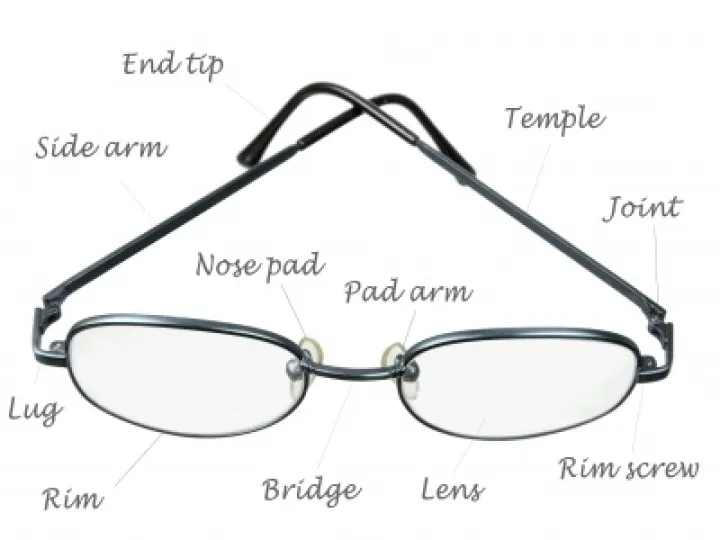
Glasses frame repairs explained
When people send us broken glasses, they usually focus on the obvious problems, like a snapped bridge, a loose hinge, or a bent temple. But a good repair means looking beyond just one damaged spot to restore fit, strength, and stability. Glasses frames are made up of several parts that all need to work together for the lenses to fit well and feel comfortable. We’ve found that the best repairs happen when we take the time to understand how each part affects the fit, strength, and stability.
Today’s frames are made from many materials, such as cellulose acetate, nylon blends, stainless steel, titanium alloys, and even wood or bamboo. Because each material reacts differently to stress, heat, or welding, each needs its own repair approach. We believe it’s important to keep up with these changes. Designers launch new plastics, coatings, and metal mixes every year, and customers appreciate it when we understand these updates rather than treating all frames the same.
We also consider how the frame has been used. Daily wear, frequent removal of glasses, sports, and active jobs all affect the temples, nose bridges, and hinges. Our technicians assess the damage to determine the frame’s history. This helps us pick the best repair methods and spot possible future issues. Looking at the whole frame, not just the obvious problem, leads to repairs our clients can trust for the long run.
Materials and construction
In our workshop, we always start by checking what the frame is made of and how it’s built. Plastic frames might use cellulose acetate for colour and comfort, nylon blends for flexibility, or tough plastics for sports glasses. Metal frames can be made of stainless steel, nickel silver, aluminium, or titanium alloys, each chosen for different reasons such as weight, strength, or allergy-friendliness. Even small differences in thickness, coating, or reinforcement can change how we repair a frame.
The material of the frame affects which repairs are possible and which are best. Regular soldering works for some metal frames, but titanium and some special alloys need advanced welding to avoid damage. Repairing plastic and metal frames is different too. Plastic frames can sometimes be fixed with heat or plastic welding, while metal frames might need micro-brazing or laser welding to keep them strong without overheating other parts. We’ve learned that using the wrong method can fix one problem but cause another, so we always match our repair method to the material.
We also look at how the frame is put together so we can choose the tools and repair method that will work best. Some frames use tiny screws and separate hinges, while others have snap-fit parts or spring hinges built into the temples. Eco-friendly frames made from wood or bamboo might have metal cores or special joints to make them last longer. Each type requires different tools, temperatures, and materials for repair, and choosing the right ones helps keep the frame secure and usable. Customers say they feel more confident when we explain these details and show how knowing the parts helps us pick the best way to fix their glasses.
Supporting the lenses and your vision
We think the nose bridge is one of the most important parts of a frame. It holds the glasses on your nose and keeps the lenses in the right place in front of your eyes. This matters for everyone, but especially for people with prescription lenses, since even minor modifications can affect how well you see and how comfortable the glasses feel. Fixing a bridge is just as much about keeping the lenses lined up as it is about making the frame look good.
Plastic frames frequently have keyhole or saddle bridges, which sit differently on the nose. Keyhole bridges rest more on the upper sides, while saddle bridges distribute the weight more evenly. Some frames have rocking nose pads or moulded inserts, and others build the bridge right into the front of the frame. Metal frames usually have separate nose pads on the small arms, so we can adjust their height and angle. Knowing these differences is important. When a bridge breaks or bends, we fix it and also make sure the lenses are at the right height and angle again.
How we repair a bridge depends on the material and the extent of the damage. Metal bridges can often be fixed with soldering or laser welding, which helps keep the frame strong and protects the finish. Plastic bridges might need plastic welding, extra support, or sometimes a full replacement if the break is bad. We often see frames where the bridge was fixed with tape or glue, but these quick fixes usually don’t keep the lenses lined up. A professional repair or replacement makes their glasses feel more secure and helps them see better right away.
The temples keep everything in balance
Temples, or arms, are the parts of the frame that go around your ears and keep your glasses in place. Their shape and flexibility affect how the weight is spread out and how steady the glasses feel. In daily life, temples get a lot of use—they open and close often, bend a bit as you move, and take small bumps. It’s no wonder that problems with temples and hinges are a big reason people need glasses repairs in the UK, especially when comfort and stability start to change.
There are three main types of temple styles: skull, library, and riding. Skull temples bend gently around the ear and then curve in to hug the head, giving light, steady contact. Library temples are straighter and mostly rest on top of the ear, so they’re easy to take on and off during the day. Riding temples curve more fully around the ear and are often used for kids or very active people because they hold glasses more securely. Knowing which style a frame has helps us determine why it might feel loose or uncomfortable and guides us in fixing or replacing the arms for a better fit.
Hinges connect the temples to the front of the frame and often wear out first. Screws can loosen, lose their threads, or break. Regular hinges might bend if pressed too hard, while spring hinges, which are made to flex, can snap if pushed too far. Fixing hinges on plastic and metal frames takes careful work. We use the right screws, hinge parts, and sometimes laser welding to make them strong again, then adjust the arms so the frame sits straight. A good hinge repair not only prevents future problems but also restores the balance wearers notice right away. Clients often tell us their glasses feel comfortable again after we fix the temples and hinges.
YOUR GLASSES DESERVE MORE THAN A REPAIR.
They deserve precision and professionalism
GIVE ALPHAOMEGA A CALL
Why specialist techniques matter
Glasses might look simple, but fixing them well requires special skills to protect the frame and improve how they wear. Because they have small parts, delicate finishes, and sit close to your eyes, every repair must be safe and precise. Our technicians use both conventional methods, such as fine soldering and brazing, and modern techniques, such as laser welding and advanced plastic welding, depending on each frame's needs, ensuring the repair works as intended.
Laser welding has become increasingly important for repairing high-end metal and plated frames because it helps preserve both appearance and structure. This method uses focused energy to join parts with minimal heat, which helps preserve the plating colour and coatings. We often use laser welding for titanium and precious metal frames, since regular soldering can leave marks or damage the finish. When done well, these repairs are almost invisible, which our customers with luxury glasses really appreciate.
Plastic frames have their particular set of challenges, but the right repair can make them much stronger than a quick fix. Using advanced plastic welding and careful shaping can make repairs much stronger than using glue alone, but it requires a good understanding of how the material behaves. If heat repairs are done poorly, frames can warp, or lens coatings can be damaged. Using harsh glues can make the plastic brittle or cause discolouration. Our team keeps training to stay up to date with new frame designs and materials, and clients say this expertise is why they trust us with frames others can’t fix.
How we manage the whole repair
Over the years, we’ve developed a repair process that covers everything from the first check to the final guarantee. When a frame comes in, we do a full visual and structural inspection. We inspect the bridge, temples, hinges, screws, and coatings for hidden problems such as tiny cracks, corrosion beneath the finish, or stress points that could fail later. We’ve found that spotting these early can help avoid more repairs soon after.
Next, we talk with clients about their options and explain the repair methods we’ll use so they can choose the approach that fits their needs. For simple bends or misalignments, we might just reshape and tighten the frame. For broken bridges, snapped temples, or failed hinges, we explain how we’ll use soldering or laser welding, or replace parts as needed, to restore function. We believe in clear pricing, so we offer straightforward packages with no hidden fees and let clients know how long repairs will take. Customers tell us this honesty helps them choose between repair and replacement.
After repairs are done, we put the frame back together, give it a final clean and polish, and check the fit on a model head or, if possible, with the client. We make sure the lenses are in the right place, the bridge sits comfortably, and the temples feel even. Our repairs come with a workmanship guarantee, usually for 12 months, so clients know we’ll fix any repair-related issues quickly. Careful checks, skilled repairs, and clear aftercare set professional glasses repair technicians apart from quick fixes that don’t last.
Understanding frame anatomy
Knowing the basics of your glasses frame isn’t just helpful for technicians—it can help you make better choices and spot problems early. When you understand how the bridge holds the lenses, how nose pads affect position, and how temples and hinges share the weight, you’ll notice changes in fit and comfort sooner. Our clients often say that after learning about these parts, they spot loose screws, slipping frames, or slight crookedness earlier and get help before anything breaks. That’s why understanding frame anatomy can help you act sooner and avoid bigger repairs.
Being aware of your frame’s parts helps you take better care of your glasses every day. Avoiding habits like taking glasses off with one hand or wearing them on your head can really cut down on repairs. When you know what each part does, it’s also easier to pick frames that fit your lifestyle, whether you need flexible plastics for active use or strong metals with laser-friendly joints for long-lasting wear.
We believe a good frame repair story isn’t just about what happens in the workshop. It’s also about helping people see their glasses as carefully designed tools made of many parts. When wearers understand that a frame is more than just a front and two arms, they usually treat it with more care and make better repair choices. We notice this when clients ask us detailed questions about materials and techniques and value working with technicians who know every part of a frame well.
More on repair materials
Materials Matter
Titanium Takes Off
Bamboo Eyewear For All
Glasses repair makes sense