Eye protection on the slopes
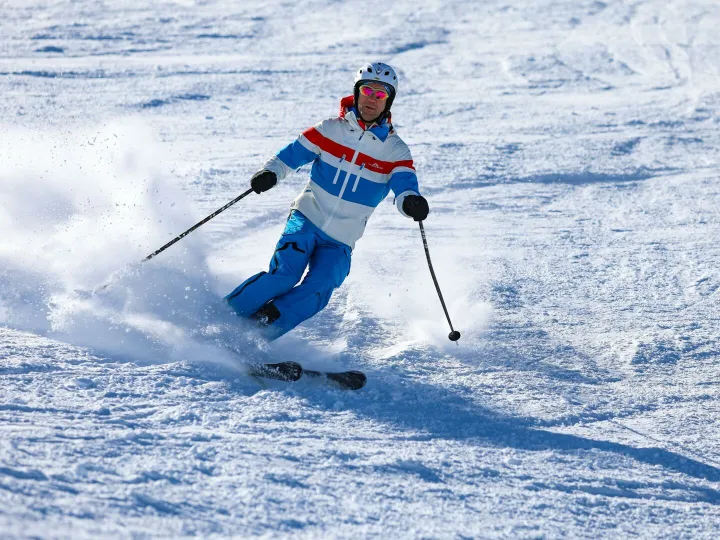
Sunglasses are for winter wear
Most people think of sunglasses as summer gear for beaches, holidays, and sunshine. But winter can bring even stronger and more harmful light. The World Health Organisation says snow reflects up to 80% of UV rays, so your eyes get hit from above and below. If you ski, snowboard, climb, or spend time at high altitudes, your risk of eye damage goes up a lot. Learning about ski eye protection, the dangers of UV rays, and how to pick the right eyewear can keep your eyes safe. This article covers why UV protection matters for skiing, how snow blindness happens, and what to look for in winter sports eyewear.
Snow Blindness Explained
Snow blindness, also called photokeratitis, is a temporary sunburn of the eye’s surface caused by UV light. It happens when your eyes get too much ultraviolet exposure, often without any warning signs at first. Problems usually show up six to twelve hours later, when the cornea and the inside of your eyelids become inflamed. Your eyes might look red, water a lot, and feel like there’s sand stuck under your eyelids. Rubbing your eyes makes it worse. In bad cases, the pain and swelling can be so strong that you can’t open your eyes. If you keep exposing your eyes to UV rays without protection, you could end up with lasting vision problems. The College of Optometrists offers advice on the risks of photokeratitis and why early treatment is important.
Why Eye Protection Matters
Protecting your eyes is even more important at higher altitudes because the thinner air allows more UV rays to reach your eyes. Studies show that UV intensity goes up by about 4 per cent for every 1,000 feet you climb. So, if you’re skiing at 8,000 feet, you get about 32 per cent more UV exposure than at sea level. When you add in the way snow reflects sunlight, your risk of eye damage increases a lot. That’s why good sunglasses or ski goggles are a must. While stylish frames look nice, UV protection and lens quality should always come first.
Understanding CE Marking
The CE mark is a good sign that eyewear is safe and meets the European standard BS EN 1836 for protective eyewear. When you see the CE mark, it means the manufacturer says their product meets important health and safety rules, including UV protection. The UK government has more information about CE marking and consumer safety (https://www.gov.uk). For winter sports, the CE mark means your sunglasses or goggles will protect you from harmful UV rays.
YOUR GLASSES DESERVE MORE THAN A REPAIR.
They deserve precision and professionalism.
CALL ALPHAOMEGA NOW
Types of UV Radiation
There are three types of UV rays: UV-A, UV-B, and UV-C. UV-C is blocked by the atmosphere, so it doesn’t harm your eyes. UV-A and UV-B can penetrate your eyes and cause damage. UV-A rays penetrate deeply and can lead to long-term problems such as cataracts and macular degeneration. UV-B rays are stronger and can cause quick problems like snow blindness. The best winter sports eyewear blocks all UV-A and UV-B rays, and also blue light, which can stress your eyes. When you shop for eyewear, always choose UV protection over lens colour or tint.
Choosing the Right Lenses
How dark a lens looks and how well it blocks UV rays are not the same thing. Dark lenses without UV filters can actually be worse than no lenses at all because they dilate your pupils, allowing more harmful UV rays in. For skiing and snowboarding, polarised lenses help cut down glare from the snow. Anti-reflective coatings on lenses also help by reducing reflections inside the lens, though they mainly cut down on total light, not specific types. Lenses made from polycarbonate or Trivex are best for winter sports because they are strong, light, and naturally block UV rays. Bigger lenses and wraparound frames give you extra protection from glare and light coming in from the sides.
The Role of Ski Goggles
Sunglasses work well on bright, clear days, but ski goggles offer better protection in most winter-sport situations. Goggles form a seal around your eyes, keeping out wind, snow, and ice. Many goggles let you swap out lenses for different light conditions, so you can adjust as the weather changes. For example, yellow or rose-tinted lenses help you see better on cloudy or snowy days, while darker lenses are best for sunny days. Modern goggles often have vents to stop fogging and double lenses for better insulation and clearer vision. If you wear glasses, OTG (over-the-glasses) goggles are designed to fit comfortably and safely over them.
Protecting Your Investment
Good winter sports eyewear can be expensive, but it helps you perform better and keeps your eyes healthy in the long run. Most problems, like scratched lenses, broken hinges, or bent frames, can be fixed quickly. If you take care of your eyewear by keeping it in a case, cleaning it with the right materials, and keeping it away from heat, it can last for many years.
Helping you to stay safe
Skiing and snowboarding are exciting, but they also put your eyes at risk from strong sunlight. Knowing about snow blindness, the effects of high-altitude UV radiation, and how to choose the right eyewear will help you stay safe and comfortable all winter. Whether you use sunglasses or goggles, always choose ones that protect against UV, are durable, and fit well. If your eyewear gets damaged, a professional can fix it quickly and affordably, so you get the most out of your investment. For advice or help choosing winter sports eyewear, talk to a specialist who can help you find the best option.
More on eye protection
A guide to lenses
Why UV protection is good
Oakley leads the field